Recent research recruitment
Two postdoctoral positions in advanced PV technology were recently advertised, supporting silicon-cell and module manufacturing research.
 METALLISATION@ SUSTAINABILITY LAB
Metallisation @ Sustainability Lab · UNSW
A UNSW research group advancing silver-lean contact structures, silicon-cell reliability and resource-efficient photovoltaic manufacturing.
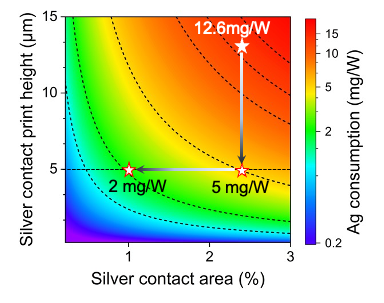
The design map shows how reducing silver-contact area and print height creates a practical pathway from 12.6 mg/W towards 5 and 2 mg/W.
Two postdoctoral positions in advanced PV technology were recently advertised, supporting silicon-cell and module manufacturing research.
Strong candidates are welcome year-round across PV materials, metallisation, reliability and advanced manufacturing.
A$9.8M in ARENA funding for low-temperature PV interconnection and site-tailored solar modules.
We welcome partnerships with cell manufacturers, materials and equipment suppliers, and research organisations.
U.S. patent protection has been secured for the team’s low-silver metallisation architecture using discrete contact dashes beneath conductive fingers.
Industry technology watch
Public industry disclosures show how layered contacts, reduced contact area and abundant conductive materials are entering high-volume photovoltaic manufacturing.

Publicly available data indicates a layered TOPCon electrode: a thin silver contact layer forms the silicon contact, while an overlying silver-coated copper layer provides bulk conduction. Laser-assisted firing supports contact formation at a lower thermal budget.
The functional separation between contact formation and current transport closely parallels seed-layer metallisation research.
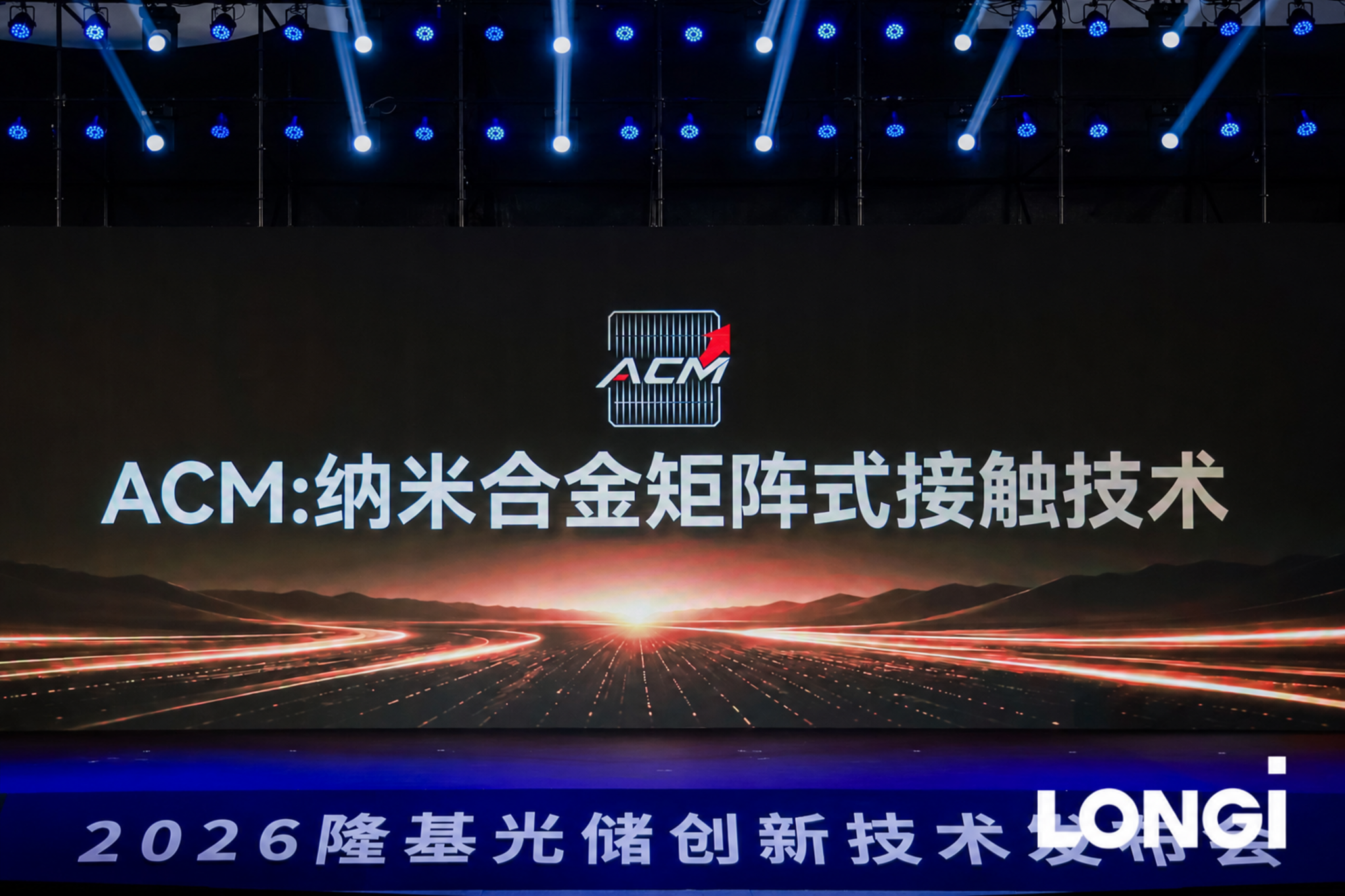
LONGi describes ACM as a silver-free nano-alloy contact that separates a small-area current-collection layer from a high-conductivity transmission layer. Industry reporting further characterises the stack as a seed or barrier layer coupled to a copper-based alloy conductor.
The architecture independently demonstrates the industrial value of separating interface contact from high-conductivity current transport.
Summaries are based on publicly available industry and patent information. Similarities in technical direction do not imply licensing, technology transfer or use of UNSW intellectual property.
People
The group brings together expertise in silicon photovoltaics, metallisation, reliability and technology translation.

Brett leads research on sustainable photovoltaic manufacturing, advanced cell architectures, hydrogen passivation, laser processing and material constraints at scale.
View UNSW profile↗
Catherine works across industrial silicon solar cells, laser processes, hydrogen passivation, degradation control and technology translation.
View UNSW profile↗
Sustainable PV materials & metallisation · Industry translation · Ultra-thin silicon PV
View UNSW profile↗Research team
Researchers across the team contribute expertise in photovoltaic sustainability, silicon reliability, industrial processing and advanced photovoltaics.
Research & industrial impact
From Brett Hallam’s research in solar-cell engineering to industrial partnerships and pilot production, the programme connects scientific advances with manufacturing practice.
Research leadership · Industry translation
Recognition
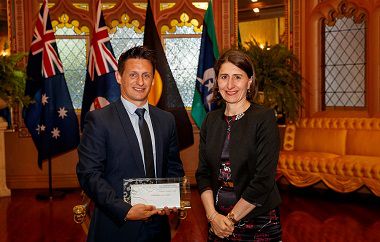
Brett Hallam received the Energy Innovation award at the NSW Premier’s Prizes for Science and Engineering. The recognition highlighted his work on controlling hydrogen in silicon to neutralise defects, improve solar-panel output and enable lower-cost solar electricity.
Green TalentsRead the original story↗Research
News & activities
Publications, conferences, project milestones and news from across the group’s research programme.
A$5.4M ARENA funding (A$12.4M total project). Developing bismuth-lean interconnection, low-temperature silver-free metallisation and curing processes with industry partners.
View ↗A$4.4M ARENA funding (A$13.9M total project). Optimising modules for local climate, system design and electricity markets, with prototype testing and a target of at least 1% lower system LCOE or higher project NPV.
View ↗U.S. patent protection has been secured for Metallization for silicon solar cells (U.S. application 18/278,256), covering discrete dash contacts beneath conductive fingers and material combinations designed to reduce silver use while preserving electrical performance.
View ↗More research updates
Join & collaborate
Scholarship-supported PhD opportunities are available for strong candidates, subject to UNSW HDR admission and scholarship requirements.
We are recruiting PhD candidates for research that connects materials, solar-cell architecture, device analysis and industrial manufacturing.
Apply now↗Send an expression of interest and attach your CV as a PDF.
Please send your CV to: li.wang3@unsw.edu.au
Explore research themes
Fine-line printing, seed-layer contacts, low-silver pastes and copper-enabled contact structures for industrial silicon solar cells.
Advanced silicon cell architectures, interface contact engineering and manufacturing-compatible process integration.
Identify electrical, optical and reliability losses using device analysis and process-informed characterisation.
Efficiency improvement, laser and thermal processing, process windows and translation to production-relevant equipment.
Research & collaboration
For research collaboration, industry enquiries and potential projects, please contact Li Wang.
ACAP Fellow · Senior Lecturer · Senior Researcher · SPREE Outreach & Student Recruitment Lead